Recently, I watched a small group of students playing an online math game focused on place value. It was one of those colorful, engaging games that moves students through levels as they answer correctly.
As I observed, something stood out immediately.
Some students moved through the levels confidently and quickly. Others stalled. They hesitated. They guessed. They struggled.

That moment reminded me of something we all know as teachers:
👉 When students struggle with place value, it’s usually not the lesson itself — it’s the missing foundation underneath it.
And that’s when my teacher brain went into task-analysis mode.
Why Place Value Is a Cornerstone of Elementary Math
Place value isn’t just another math unit.
It is the foundation for:
🌻 Multi-digit addition and subtraction
✔️ Regrouping
🌻Comparing and ordering numbers
✔️ Rounding
🌻Multiplication and division
✔️ Decimals (later on!)
When students don’t fully understand the concepts in early grades, the gaps follow them all year — and sometimes for years.
That’s why assessing prerequisite skills before teaching place value is critical. Learn more here!
Place Value Readiness Checklist
Before diving into tens and ones (or hundreds), students should demonstrate mastery of these foundational math skills:
🌻 1. One-to-One Correspondence
Can students count objects accurately by touching or moving each item once?
✅ 2. Cardinality
Do students understand that the last number counted tells “how many” are in the set?
🌻 3. Counting Fluency
Can they:
- Count forward and backward?
- Count from numbers other than 1?
- Skip count by 10s?
✅ 4. Number Recognition
Do students quickly recognize numerals to at least 100?
🌻5. Composing and Decomposing Numbers
Can they break apart numbers (8 = 5 + 3) and put them back together?
✅ 6. Understanding Groups & Place Value
Do they understand that 10 ones can make a ten?
This grouping concept is the true bridge into understanding.
Why You Should Pause If These Place Value Skills Are Missing
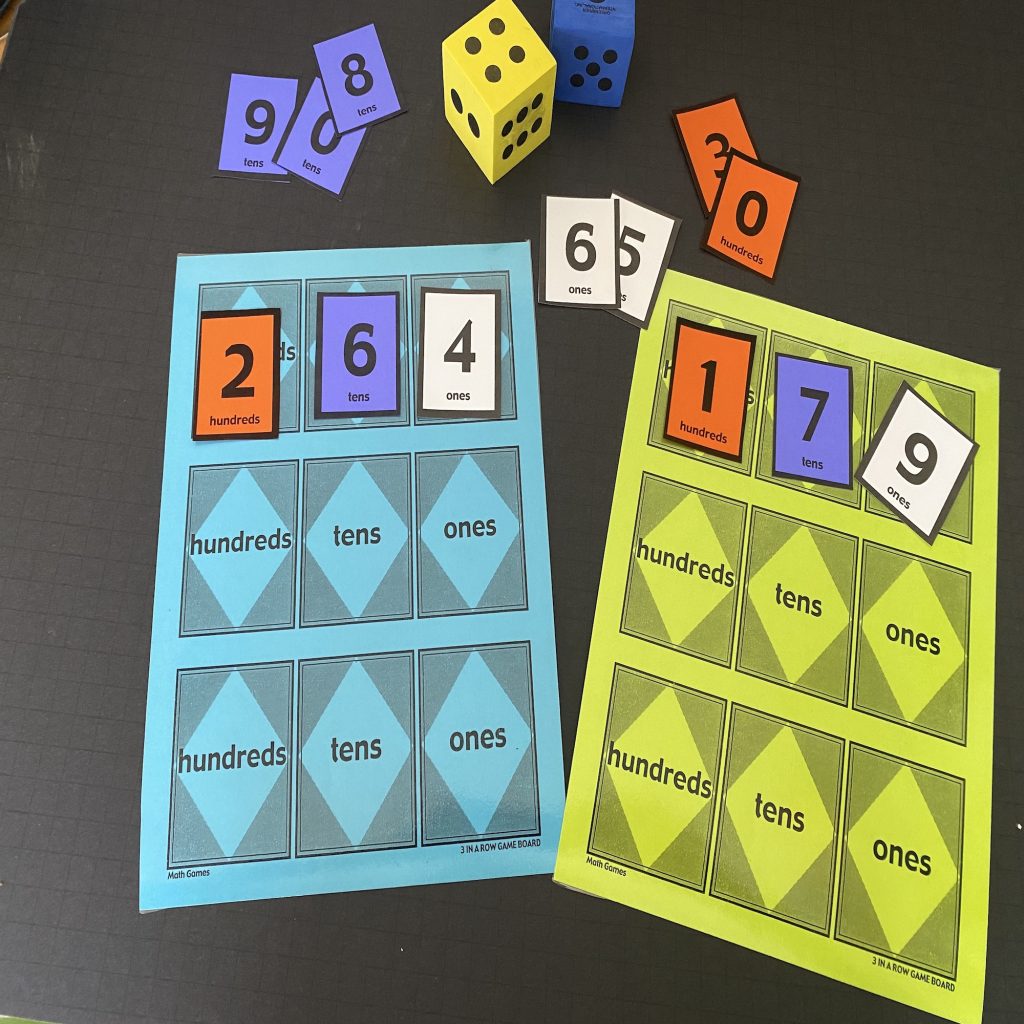
If students don’t have these skills, STOP.
I say that with love. 💕
It is far better to pause and strengthen number sense than to push forward into place value lessons that will only create confusion.
When students lack:
👍 Strong counting skills
💚 Concrete grouping experiences
👍 Hands-on number building practice
They struggle with:
✅ Regrouping
💚 Expanded form
✅ Comparing multi-digit numbers
💚 Word problems involving place value
And once frustration sets in, math confidence drops.
How to Build a Strong Foundation for Place Value
If your students need reinforcement, focus on:

✔️ Hands-on counting with manipulatives
👍 Bundling straws or linking cubes into groups of ten
✔️ Base-ten blocks
👍Number bonds and part-part-whole activities
✔️ Ten frames
👍Math games that reinforce grouping and counting
Young students develop a deep understanding of how numbers work when they experience it physically before abstract worksheets.
Concrete ➝ Pictorial ➝ Abstract.
That sequence matters.
Assess Before You Teach Place Value
One of the simplest ways to prevent math struggles later is to assess early.

When you know your students have mastered these essential building blocks, you can confidently move into:
Tens and ones
Expanded form
Comparing numbers
3-digit place value
Regrouping strategies
And this time?
You’ll watch them zoom. 🚀
Strengthen Math Foundations with Engaging Games
If you’re looking for hands-on math activities that build number sense and prepare students for place value success, check out the Fun to Teach math resources.
Inside you’ll find:
✅ Interactive math games
👍 Math centers
✅ Number sense activities
👍 Place value reinforcement
ESL-friendly math vocabulary support
These activities are designed to make foundational math skills stick — especially for young learners and English learners who benefit from visual and hands-on instruction.
👉 Click here to explore Fun to Teach math resources.
Place value doesn’t have to be frustrating.
With the right foundation, it becomes one of the most powerful “aha!” moments in elementary math.
💕 Happy Teaching!
When learning feels like play, students stay engaged—and skills stick.

CLICK HERE TO SEE ALL OUR MULTIPLICATION RESOURCES, GAMES AND ACTIVITIES!
Looking for time-saving tips and tricks for teaching math and ESL? Sign up for my email newsletter to get free teaching resources and helpful strategies right in your inbox! Click here to sign up.


No comments:
Post a Comment