
March is the perfect time to refresh your classroom with engaging March ESL lesson plans that bring seasonal learning to life. As the saying goes, “make hay while the sun shines” — take advantage of spring themes and hands-on science activities to get students talking, thinking, and interacting in English. Whether you’re teaching beginners or more advanced learners, these ready-to-use lessons help you “kill two birds with one stone” by strengthening language skills through meaningful science experiences.
🌪️ Why March ESL Lesson Plans with Science + Language Works
Teachers often combine content learning, such as science, with language practice. As a result, English learners pick up vocabulary and sentence structure more naturally. In fact, this approach makes new language more meaningful and easier to remember.
Instead of memorizing isolated words, students learn in context. For example, they describe observations, explain what they notice, and share results with classmates. Because of this, language develops more confidently and authentically.

In March, seasonal themes like weather and spring changes provide rich opportunities for vocabulary connected to real-world phenomena. For example, students can explore storms, clouds, and temperature changes through hands-on activities. In addition, simple experiments encourage students to “put their money where their mouth is” — that is, to actively use the language instead of just studying vocabulary lists. As a result, learning becomes more engaging, meaningful, and memorable.
🧪 March ESL Lesson Plans and Science Activities With Language Focus
Beginner Level — Simple Observations
Idiom: “Break the ice” — to start conversations
Here’s your paragraph revised with transition words for smoother flow and readability:
- First, use simple visuals and word walls in your March ESL lesson plans to introduce basic science vocabulary (e.g., weather, storm, rain, sun).
- Next, start class with a quick “weather check-in,” where each student says a sentence like “Today is sunny.”
- Then, do a basic weather chart exercise — this is perfect for beginners to break the ice and become more comfortable speaking.
- Overall, these steps help students build confidence while practicing new language in context.
Intermediate Level — Describe & Explain
Idiom: “In a nutshell” — to summarize briefly
- Do a simple tornado-in-a-bottle experiment. Ask students to describe what they see with sentence frames like “The water __________ when I twist the bottle.”
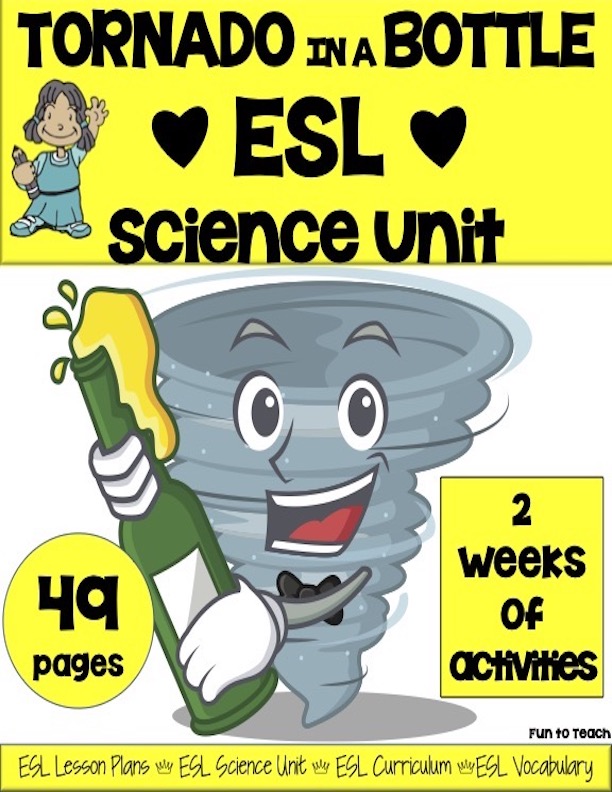
- At the end of the activity, have students write a short summary in a nutshell — one or two sentences that capture the main idea. (funtoteach.com)
Advanced Level — Hypothesis & Discussion
Idiom: “Think outside the box” — to be creative
- Challenge students to form hypotheses about weather patterns or seasonal changes. For example, “What might happen if…” questions.
- Encourage them to think outside the box by proposing alternative explanations or comparisons (e.g., “If clouds are thicker, will it rain more?”).
- Have students debate in small groups, using academic language and structured sentence frames.
💡 Classroom Structures That Make Lessons Stick
- Word Walls + Visuals: Add science and March-themed vocabulary to a classroom word wall to reinforce retention.
- Partner Talk: Give students pair tasks where they interview each other about predictions and results — two heads are better than one when learning language together.
- Sentence Frames added to you March ESL lesson plans help learners participate confidently, especially when describing experiments or summarizing results. (funtoteach.com)
🗓️ Quick March ESL Lesson Plans and Themes to Pair With Science
Beyond tornadoes and weather, you can easily integrate other March topics:
- Spring growth projects (like plant life cycles)
- St. Patrick’s Day vocabulary and symbols
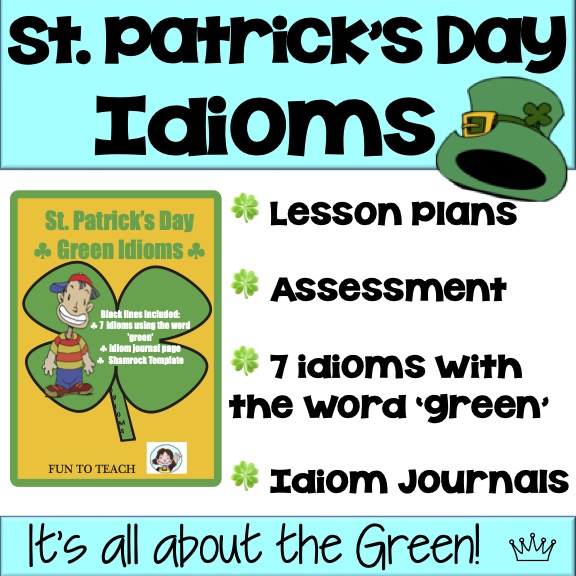
If you’re looking to save time next month, check out ready-to-go March lesson plans that combine science and language seamlessly — print-and-teach materials that help you spend less time prepping and more time focusing on student interaction. These resources are designed to be plug-and-play whether you’re teaching beginners or more advanced learners. (funtoteach.com)
Teacher tip: Build a small teacher toolkit of reusable visuals, sentence frames, and experiment routines that you can adapt year after year. Having these staples on hand means you’ll always have something engaging “in your back pocket” when lesson planning feels overwhelming.
By weaving together seasonal topics, hands-on science, and idiomatic language, your ESL learners won’t just memorize vocabulary — they’ll use English to make sense of the world around them. If you’d like help with leveled worksheets or classroom activity ideas tailored to your students, I’d be glad to help — just ask!

Looking for time-saving tips and tricks for teaching math and ESL? Sign up for my email newsletter to get free teaching resources and helpful strategies right to your inbox! Click here to sign up.


No comments:
Post a Comment